 Image Credit: Romulof/Getty Images
Why We Need Fiction
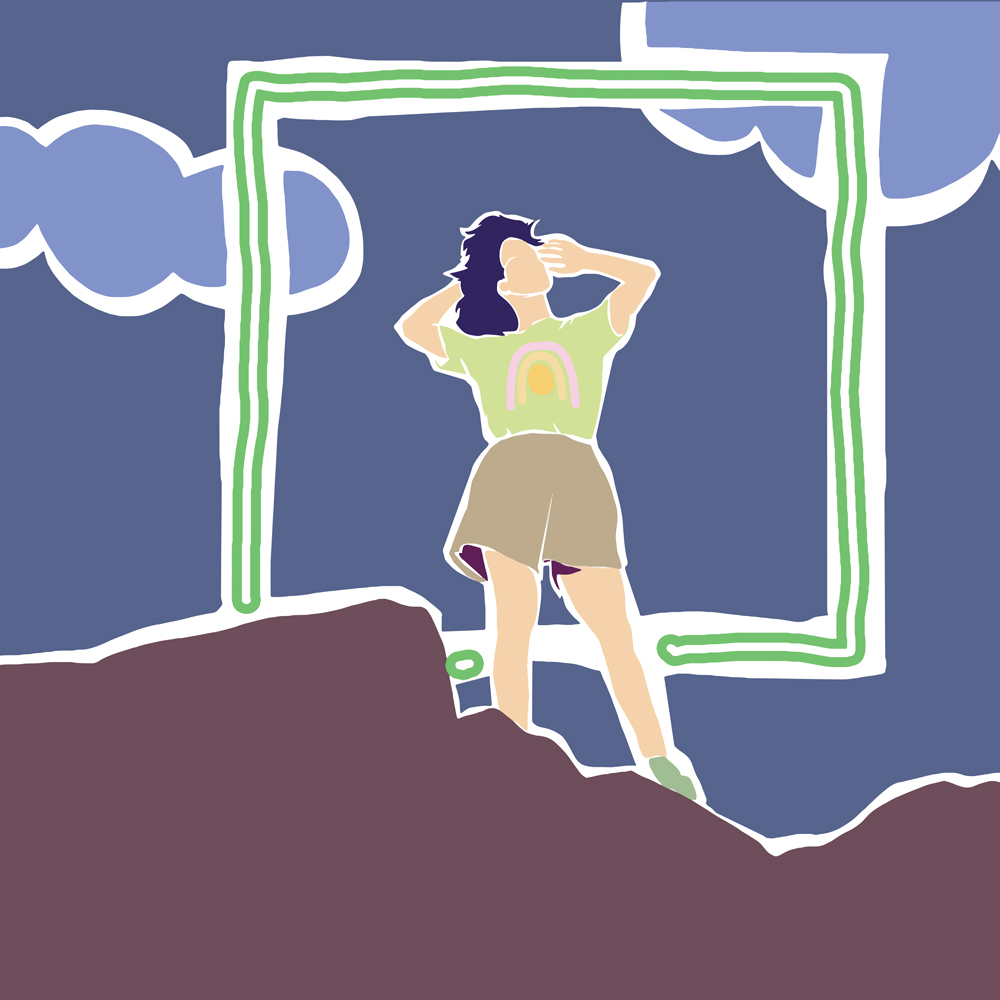
“We’re constantly onboarding micro-narratives that subtly influence the way we live, move, and be.”I hated reading for most of my life. Now I read over 100 books a year.
Reading paints a portrait of what the good life looks like and then allows you to step into it.
I learned this from “Catcher in the Rye,” a novel by WWII veteran J.D. Salinger. Compared to other WWII veterans who became novelists (Joseph Heller, Kurt Vonnegut, etc.), Salinger saw more combat than any of them; he was even one of first Americans to witness the horrors of a concentration camp. But instead of returning to the U.S. and writing about the war, he wrote about an alienated teenager named Holden Caulfield wandering around New York.
As a listless 18-year-old, I identified with Holden. Everything about him: his broody cynicism, the uninspired outfit, and the belief that everyone was a “phony.” But I connected most with the title’s metaphor. Holden dreams of becoming a “catcher in a rye field,” preventing kids from running off the edge of the field’s cliff. The cliff is a metaphor for adulthood, and “catching” them is his way preserving their innocence.
But by the end of the story, he puts the dream to rest. As Holden watches his sister go around and around on a carousel, the carefree joy of the scene makes him realize that he doesn’t have to fight so hard to preserve innocence; life will just keep moving; he can stop trying to be stuck and accept adulthood.
And when he decided to grow up, I also decided to. The story lapped up my stubbornness in the best kind of way. It forced an epiphany that showed me that I was causing myself loads of unnecessary suffering simply because I was avoiding the necessary sufferings involved in taking charge of my life. Without Holden, I’m not sure I would’ve started moving in that direction.
Today, I’m a non-fiction writer. I tell stories, typically for the sake of analogy or anecdote. “Catcher” embodies why I not only love fiction but need fiction. I read it as much as my schedule allows me to get away with. It’s good for me — almost like a multivitamin for my spirit.
So, Reading Fiction is Good?
We need fiction because it allows us to handle the knowledge we glean from non-fiction. If we don’t fill our imaginations with stories that are good, true and beautiful, we won’t understand what it means to live a good life; it makes us more likely to cause a net gain of flourishing for ourselves and those around us. Basically, fiction makes us better. It’s “narrative transportation.”
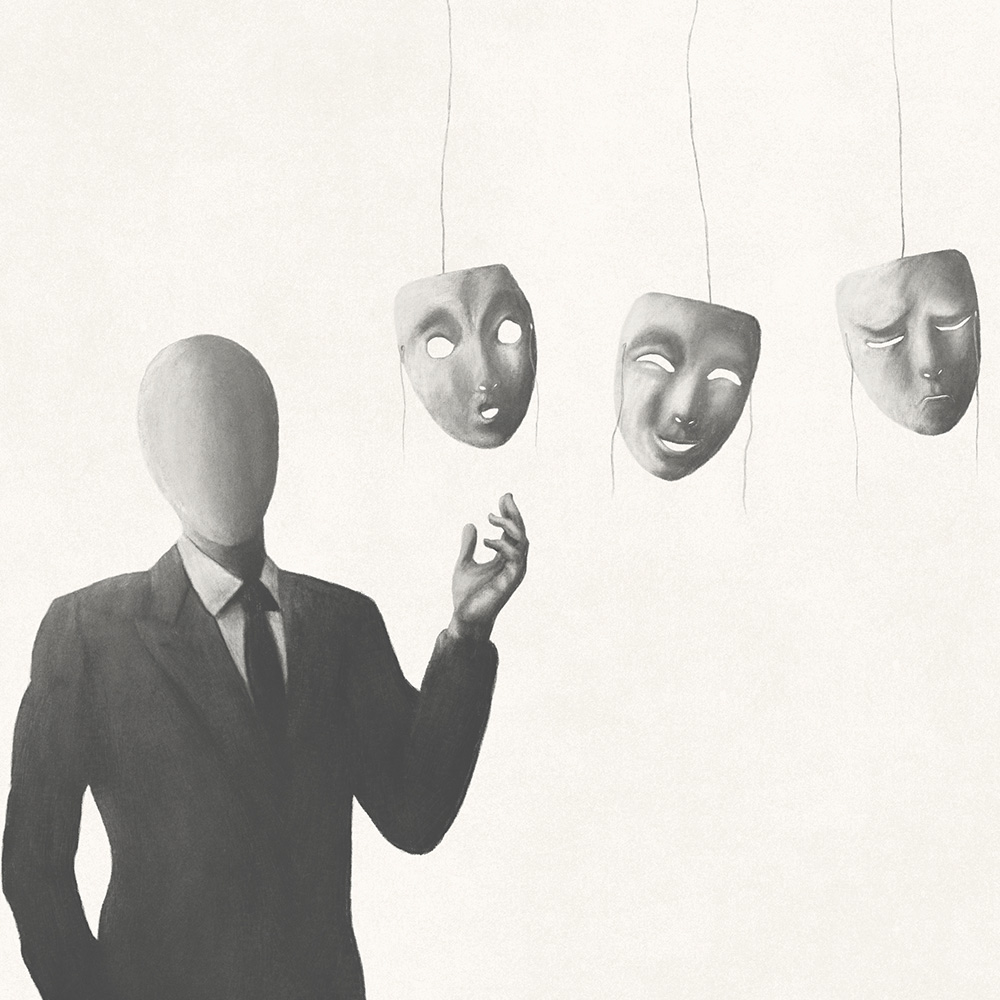
Humans think in terms of story to process the world. We’re constantly onboarding micro-narratives that subtly influence the way we live, move, and be. Stories have more influence on our brains than non-fiction.
When social scientists Melanie Green and Tim Brock studied how people change their minds on anything from political choices to health practices, they found that stories were what moved the dial.
Good stories force our analytic mind to take the backseat. We lose track of time, anxiety, and self-consciousness. When we’re in this “narrative transportation,” four big things happen:
We stop resisting and go along with the story’s moral message.
We connect the story with our own memories and beliefs.
We feel an emotional bond with the characters (aka we “try on” perspectives).
Our internal feelings about the story influence our external beliefs.
Essentially, story takes the stubbornness in us — our bad habits, sinful thought patterns, unhelpful ruts — and turns it into modeling clay. We’re hit with a sense of inspiration, compassion, and a desire to change. This is exactly why many scientists have started enlisting novelists and storytellers to help explain their complex ideas to popular audiences. Without a good story, non-fiction is only half-baked.
So, We Can Learn Stuff From Stories?
It’s why I’ve learned some of the greatest lessons from fiction.
Reading “The Great Gatsby” in high school taught me that no amount of wealth and power could capture real joy.
Captain Ahab’s manic obsession with Moby Dick brought my own unhealthy fixations to the surface and good reasons to drill away at them.
Jonathan Franzen’s “The Corrections” told me to have profound patience with my aging parents — even with our generational divides and differing opinions on religion and politics.
Reading about the cancer patient who tries to prematurely take his own life in George Saunders’ “Tenth of December” helped me not only stifle resentment toward my own life but even instructed me to live in such a way that sees my own existence as a net positive for those around me.
Today, the average Christian ingests thousands of stories. Sometimes they’re good and beautiful narratives, and other times they’re counter-narratives that try to steer us away from the flourishing life of Christ.
This is why we need to make sure we’re reading and dwelling on good stories. There’s a perfect maxim from the pastor Pete Hughes, in his book, “All Things New,” that puts the power of narrative into helpful perspective: “The story you live in is the story you live out.”
It’s why we need “Catcher in the Rye.” We need “The Odyssey.” We need the long stretches of biblical narrative and not just Pauline theology. They remind us of what it means to be human and how to live out the story of life so that we become better humans.
The fact that you’ve read this far means you might already believe this. So here’s the challenge: pick up a novel this month. Not because it’s educational or because it’ll look smart. But because you know something about it might expand some part of your mind in a way that leads you closer toward the good and true and beautiful life with God.
For Further Study
The best place to begin further study is to study fiction. Live in the kind of stories you’d like to live out so that it can help you live out your own story even better.
Read:
- The Great Gatsby by F. Scott Fitzgerald
- Catcher in the Rye by J.D. Salinger
- The Road by Cormac McCarthy
Listen:
- Not Just the Bible — I recommend a great podcast between two friends who have a professional but relatable conversation on why Christians shouldn’t just read Scripture, but also novels. Tune into an episode of the podcast series called “Not Just Sunday.”
Reading fiction isn’t just an optional side quest. It’s a part of spiritual formation that breathes life into our spirits.
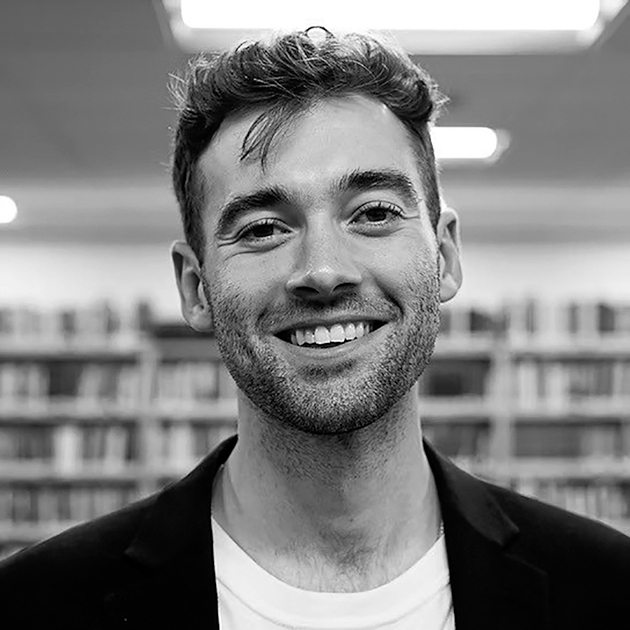
Griffin is a writer, speaker and professor based in Kalamazoo, MI working on his doctorate in theology at the University of Aberdeen. He writes most frequently on Substack, but his work has also been featured in Christianity Today, Mere Orthodoxy, Fathom, Inkwell, Christ & Pop Culture, The International Journal of Public Theology, and others.
Peer Magazine offers new perspectives on faith, community and culture from your mentors and peers. Subscribe for FREE today!
You May Also Like