Who Was Watchman Nee?
"Watchman Nee was one of the most influential Christian teachers in 20th-century China."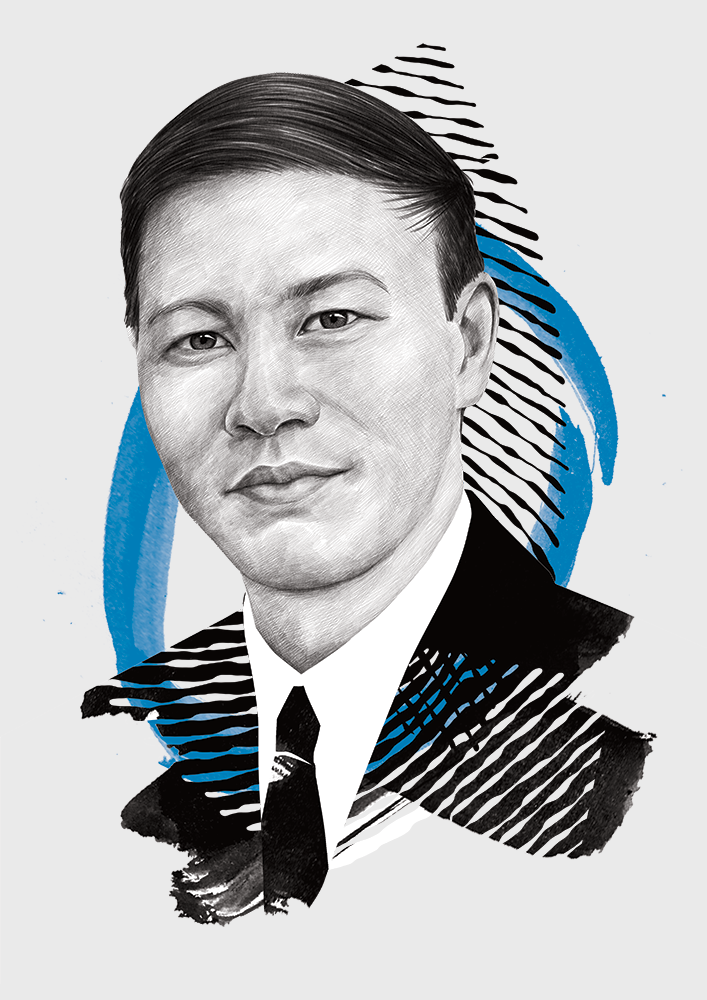
Watchman Nee was one of the most influential Christian teachers in 20th-century China. His writings and ministry shaped Christian thought worldwide. Born as Ni Tuosheng, he later adopted Watchman Nee as his English name. He believed that his new name defined his life-calling to be spiritually alert.
Nee became a Christian at the age of 17. Self-educated in theology, Nee devoted himself to studying the Bible and reading Christian classics, drawing inspiration from figures such as John Nelson Darby and Madame Guyon. These influences helped shape his focus on the inner spiritual life.
One of his most significant contributions was his teaching on what he called “the normal Christian life.” He taught that Christian living was not primarily about outward moral effort but about allowing Christ to live His life through the believer. This message, powerfully communicated in his well-known book “The Normal Christian Life,” emphasized themes such as identification with Christ in His death and resurrection, faith over effort, and complete dependence on God. His teachings resonated with believers around the world and across denominational lines and cultures.
Nee was also a key figure in the development of Christianity throughout China. He believed that the church should be free from excessive foreign control and denominational divisions. He promoted the idea of local churches — independent congregations grounded in Scripture and united by shared faith rather than organizational labels. This vision played a leading role in the growth of the “local church” movement in China.
Unfortunately, Nee’s life was marked by severe suffering. Following the establishment of the People’s Republic of China in 1949, religious freedom was increasingly restricted. Arrested in 1952 on charges related to his faith and alleged political crimes, Nee was imprisoned without trial. He spent the last 20 years of his life enduring cruel conditions and lengthy periods of isolation. Remarkably, he remained faithful to his beliefs. Although he was publicly silenced, his earlier writings continued to circulate and encourage Christians around the world.
He died in prison in 1972. After his death, a brief statement found among his belongings read: “Christ is the Son of God who died for the redemption of sinners and was resurrected after three days. This is the greatest truth in the universe. I die because of my belief in Christ.” This testimony captures the heart of his life and legacy.
So What?
How is your life reflecting Christ — not by your own strength, but by allowing His life and power to be lived through you?
Illustration by Paul Ryding
You May Also Like