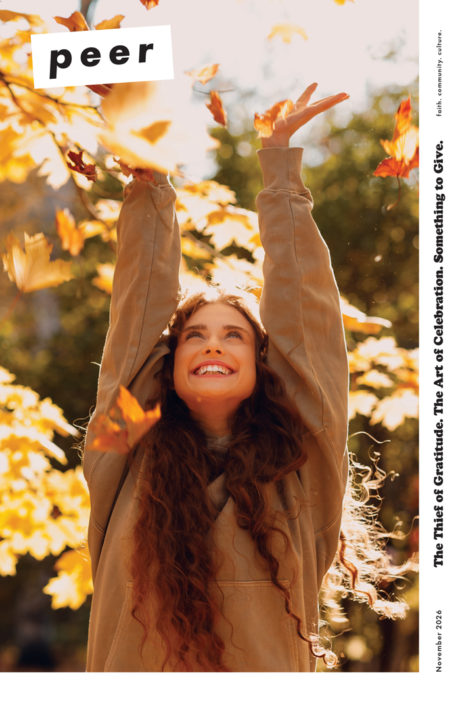
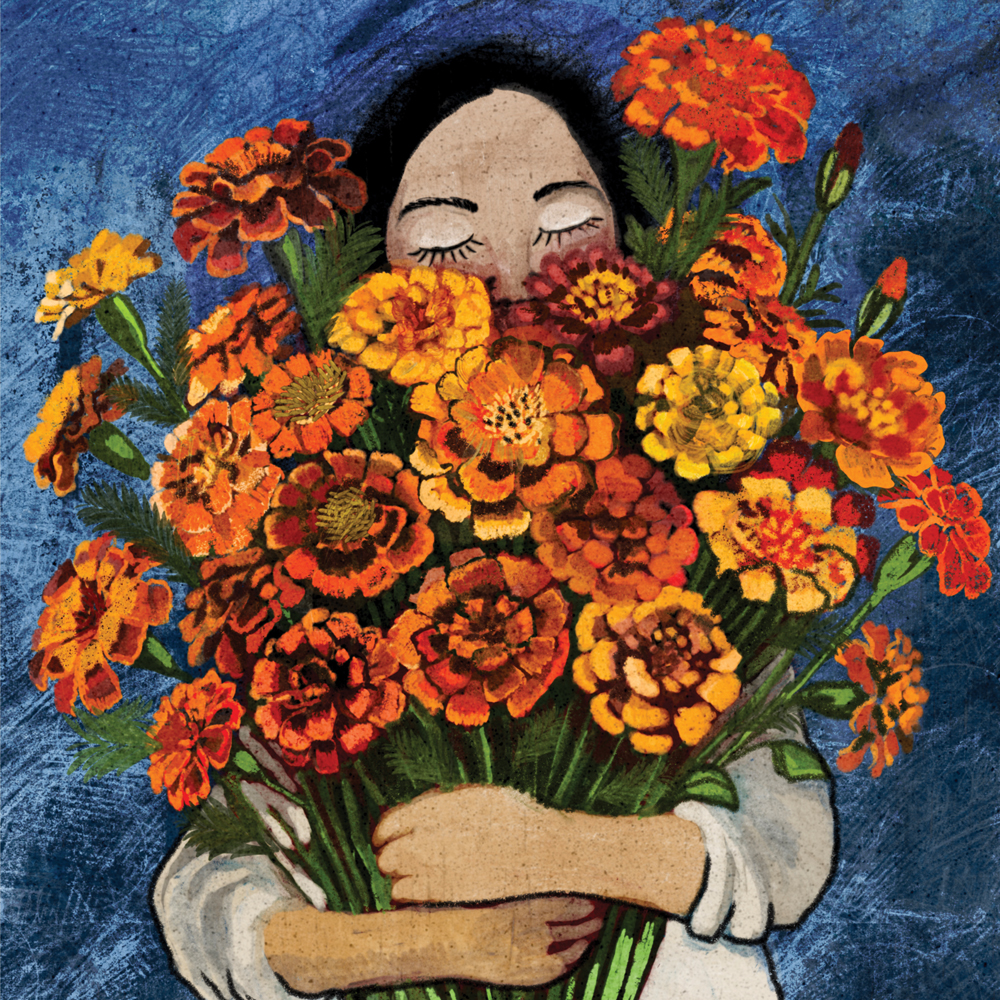
 Image Credit: Jelena Gvozdenac Martinov/Getty
The Thief of Gratitude
“As the colder seasons arrive, gratitude may feel fragile. Yet gratitude does not mean pretending pain does not exist.”When November winds stir the crisp autumn leaves, the season awakens something tender within us. The air grows colder, the year slowly draws to a close, and we begin reflecting on our blessings, God’s provision, and the faith that has carried us through every season. It is a time shaped for gratitude. Yet beneath this atmosphere of thankfulness, many hearts wrestle with disappointment. It is not always easy to remain grateful when life feels delayed, when prayers seem unanswered, and when the future feels clouded by uncertainty. Even during a season devoted to gratitude, longing can make joy feel distant and thankfulness difficult to hold onto.
Comparison steals the peace from a content heart. It often begins as we watch others gather the opportunities we have worked and prayed for, celebrate the love we still long for, or step into vibrant new chapters while our own lives feel barren and unfinished.
Yet when that passing glance hardens into a habit, something within us begins to change. Our eyes are no longer fixed on the growth taking place in our own soil; instead, they become consumed with the colorful harvest of someone else’s life.
What once was gratitude becomes dissatisfaction, and what once was hope slowly gives way to discouragement.
Comparison reaches far deeper than insecurity alone because it affects the way we experience God. We begin measuring His goodness through visible outcomes, believing that if another person’s life appears more blessed, then God loves them more or has remembered them while forgetting us. Before long, gratitude fades beneath frustration because comparison convinces us that God is withholding something good from our lives.
Yet scripture tells a different story.
God has never operated according to identical timelines, and the lives of those He loved most reveal this truth. Joseph endured betrayal, abandonment, and imprisonment before stepping into the leadership God had prepared for him all along (Genesis 37-39). David was anointed king while still tending sheep in obscurity, then spent years hiding in caves before ever sitting upon a throne (1, 2 Samuel). Moses wandered through the wilderness for 40 years before God called him to stand before Pharaoh and lead His people toward freedom (Numbers 14).
We read these passages and see their stories as delayed, painful, and at times even forgotten. Yet God was never absent from their waiting.
He was shaping character before releasing calling.
He was preparing hearts long before fulfilling promises.
The waiting itself became the place where transformation happened, and the same remains true for us now.
One of the deepest tensions of faith is learning to trust God who moves differently than we expect. We long for clarity because certainty feels safe. Yet God often leads His people through seasons where certainty is withheld, and it is there that faith stops being a concept and becomes a daily act of surrender. We learn to lean on His character when we cannot trace His hand, and we learn to believe He is still good even when life feels unresolved.
Comparison grows strongest in the in-between seasons, in the prolonged spaces between planting and harvest, between prayer and answer, between promise and fulfillment. Waiting exposes some of our deepest fears because it confronts us with the possibility of being forgotten, overlooked, or left behind while the rest of the world appears to move forward. We compare our hidden struggles to another person’s visible blessings while forgetting that we cannot see the burdens they carry beyond what is shared. We see answered prayers without witnessing the years of disappointment that came before them. We see the harvest without ever witnessing the waiting.
God alone sees the entire story.
He sees prayers whispered through exhaustion after hope has already begun fading. He sees the tears that fall when nobody else is present to witness them. Nothing in your life is hidden from Him.
Psalm 139 reminds us that God formed us intentionally and established our days before one of them came to be. Your waiting is not evidence of abandonment. The prayers you continue praying, the doors that closed, and even the seasons that wounded you are all being held within the hands of a Father who sees far beyond the limits of your understanding. What feels like delay may actually be preparation, and preparation, even when invisible, is never wasted.
As the colder seasons arrive, gratitude may feel fragile. Yet gratitude does not mean pretending pain does not exist. Biblical gratitude is not shallow optimism wrapped in seasonal warmth. It is the steady and deliberate decision to recognize God’s faithfulness even when life remains unfinished. It is the willingness to trust that He is still present in the waiting and still working in seasons that appear still from the outside.
Some of the deepest gratitude we will ever carry does not come from receiving everything we once asked for. It comes from discovering that God remained faithful even in the seasons when we feared He had forgotten us. That kind of gratitude does not depend upon circumstances changing because it is rooted in something far more durable than outcomes.
Thanksgiving invites us to pause and remember not only what we still desire, but also the countless ways God has already carried us. He carried us through prayers He answered in ways we never expected, through seasons we were certain would break us, and through moments where His grace met us before we even had words to ask for it. James 1:17 reminds us that every good and perfect gift comes from above, including the breath in our lungs, the strength to continue after disappointment, the people who love us well, and the hope we have in Christ.
Philippians 4 contains one of scripture’s most remarkable teachings on contentment because Paul writes that he learned the secret of being content in every circumstance while inside a prison cell. His peace had nothing to do with comfort because it was rooted in Christ. Lasting peace is not discovered through achievements, recognition, or receiving everything we desire. Peace is discovered when our identity becomes anchored in the unchanging love of God rather than in the shifting outcomes of our lives. When we understand that we are known and loved by Him, comparison begins losing its grip.
Perhaps you are in a season where everything feels uncertain. Perhaps you feel overlooked while others around you step into answered prayers. If so, hold to this truth: Waiting is not evidence of God’s absence. Some of His deepest work happens in hidden seasons where there is little visible proof that anything is changing. A seed buried beneath winter soil appears still, yet beneath the surface, roots are stretching deeper into unseen places, preparing for what is coming.
God is not wasting your waiting. He is not ignoring your prayers, and He has not forgotten your story.
As Thanksgiving approaches, take time to reflect on your journey with God. Remember the seasons He carried you through when you were certain you would not survive. Then resist the temptation to compare your life to someone else’s because God is not asking you to live another person’s story.
He is inviting you to trust Him with your own. One day you may look back and realize that the chapter you begged Him to remove became the chapter that transformed you.
What felt like delay may have been mercy, and what appeared to be stillness may have been God strengthening your roots beneath the surface long before growth became visible.
The God who created, called, and carried you through every previous season will remain faithful in this one too, and even here, in the middle of waiting, uncertainty, and unfinished prayers, there is still reason to give thanks.
For Further Study
Read:
- Chasing Contentment: Trusting God in a Discontented Age by Erik Raymond
- Practicing Thankfulness: Cultivating a Grateful Heart in All Circumstances by Sam Crabtree
- Anxious for Nothing: Finding Calm in a Chaotic World by Max Lucado
- The Rare Jewel of Christian Contentment by Jeremiah Burroughs
Reflect On:
- Philippians 4:11-13. “I have learned to be content whatever the circumstances” (Philippians 4:11b, NIV).
- Psalm 37:3-7. “Trust in the Lord and do good; dwell in the land and enjoy safe pasture” (Psalm 37:3, NIV).
- 1 Thessalonians 5:16-18. “… give thanks in all circumstances; for this is God’s will for you in Christ Jesus” (1 Thessalonians 5:18, NIV).
- Galatians 6:4-5. “Each one should test their own actions. Then they can take pride in themselves alone, without comparing themselves to someone else” (Galatians 6:4, NIV).
- Psalm 27:13-14. “Wait for the Lord; be strong and take heart and wait for the Lord” (Psalm 27:14, NIV).
You May Also Like