 Image Credit: Images via Getty
The Summer I Learned Fjaka
“When we rest and relinquish our need to produce, we rediscover the plot that settles us deeper into life with Jesus.”When the Creator spoke the world into being, He not only established the heavens and the earth, He established a rhythm of life for us, His image bearers. In Genesis, God finished His creation work and on the seventh day, He rested (Genesis 1:1-2:3).
God gave the rhythm of rest and work to humanity for our flourishing, but we lost the plot.
In our western culture, we are driven by productivity, measurable outcomes, and returns on investment. We forget to rest, and sometimes feel shame when we choose to slow down instead of overworking. I have lost the plot, too. The pressure of productivity creeps into every decision, but a recent trip to Croatia opened my mind to a different way of living. Could this rhythm reflect the sabbath rest God meant for us all along?
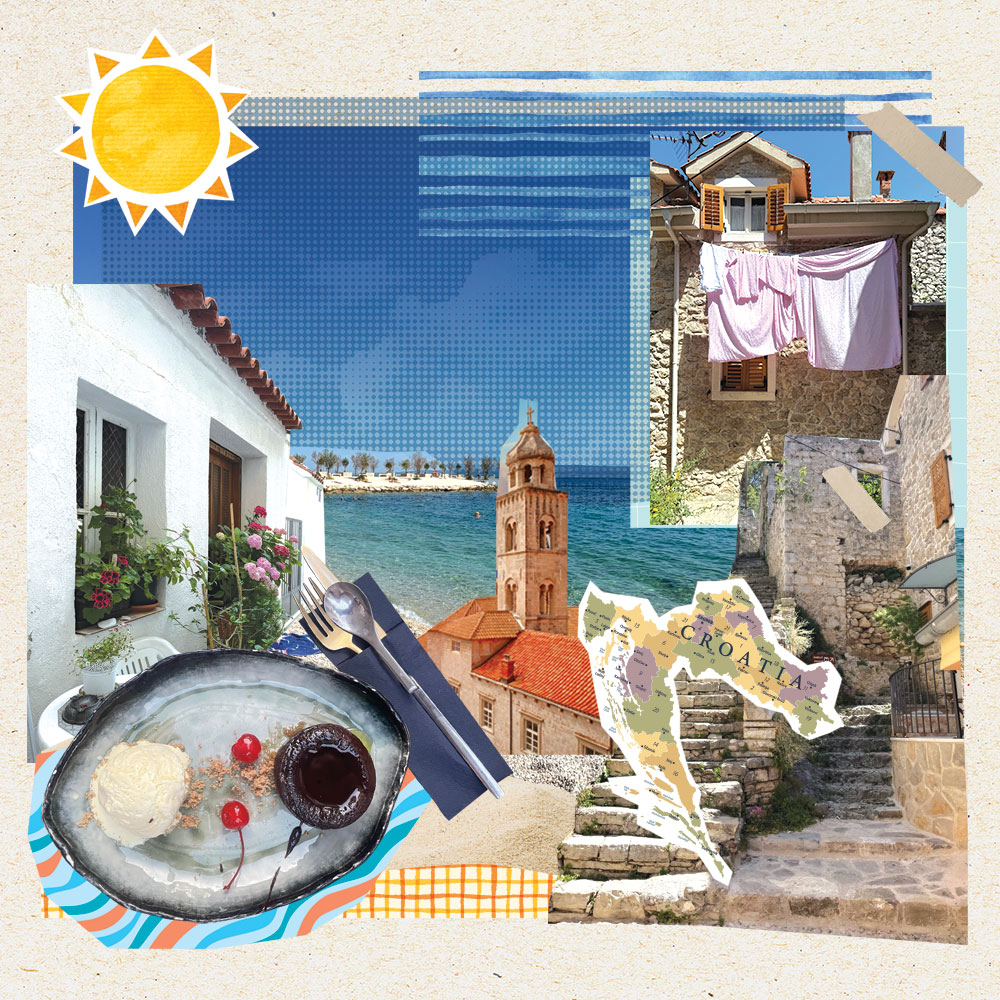
Last summer, I traveled to Croatia with a group of girlfriends, and one Croatian motto intrigued me the most: “fjaka” pronounced “fee-yakuh.” Fjaka in Croatian means “blissful relaxation,” but Croatians took it one step further and turned the word into a lifestyle described as “the art of doing nothing.” During my three-week stay, I observed and participated in rhythms of fjaka that left me wanting to bring these practices home.
A Day of Fjaka in Croatia
The sun may rise early on a Croatian summer morning, but the city rests well into the day with most people stirring between 9 and 10 a.m. The moment I start my day, I venture to a nearby café where I find locals drinking hot espresso even with the sun already heating the day — not an iced coffee in sight. I sit outside with my cappuccino and a flaky cinnamon bun. One hour goes by, then two, and I cannot believe how unbothered the people around me seem as we all roast in the sun, surely sweating. But they keep sipping, keep chatting, and keep laughing. Don’t these people have jobs? I reach my heat discomfort limit, leave the café, and begin my walk to the beach. I stop in the local market to grab a cold bottle of soda I can’t pronounce, and a bag of some kind of puff snacks with a dancing bear on the front because he looks fun. I arrive at the beach and try to scope out the best partially-shaded spot on the white pebbles that surround every beach here. It seems everyone is resting at the beach today. I realize summer break could explain all of the children, but I wonder about the adults. Don’t they have jobs? Has everyone taken the same day off?
After several hours of reading, swimming, and napping, I decide to walk back and get ready for dinner. I walk back, shower, and put together an outfit that can breathe — the heat won’t quit even after the sun goes down. Through the winding narrow streets of the neighborhood, I find the same corner restaurant nestled between a small grassy park and some local flats. Tommy, the owner, welcomes me back with a smile and my usual table. Even though I don’t live in this neighborhood, and I’ve only eaten here once before, Tommy still treats me like a regular. I spend the evening trying anything Tommy suggests. We start with the “Dalmatian Charcuterie” featuring prosciutto from the Dalmatian islands, cheese from Pag Island, fig jam, and olives. Next, I move onto Tommy’s very own creamy truffle pasta made with truffles from the neighboring inland country, Slovenia. I think to myself I’ve never tasted anything more decadent until Tommy brings out dessert, a small chocolate cake with molten chocolate in the center. Just after Tommy places the drool-worthy dessert in front of me, he drizzles the perfect amount of chili-infused olive oil on top. One bite and I’ve died and gone to heaven. In the wee hours of the night, we finish chatting. Before I leave, I say, “I wish for this every day.” Tommy replies in his thick Croatian accent, “In Croatia, it is.” What a concept. How do I bring this home?
How to Invite Fjaka Into Your Life
Sleep in. Take your time. Listen to birds singing and leaves rustling. The key to fjaka and sabbath lies in our motivation. If productivity motivates us, then we’ve lost the plot of sabbath. Contentment and joy motivate the Croatians. We do not need to accomplish anything when we practice sabbath. True sabbath rest can look like reading a book, but not finishing it. Napping instead of cleaning the kitchen. Painting a canvas with no plan to hang it or sell it. Like the Croatians, we can practice sabbath rest without having anything to show for it. When we rest and relinquish our need to produce, we rediscover the plot that settles us deeper into life with Jesus.
For Further Study
Fjaka Fun and Sabbath Study
- Join James Steward of National Geographic on his search for fjaka as a “state of mind” in his article In search of “fjaka” — the Croatian art of doing nothing.
- Take a deeper dive into Sabbath practice with John Mark Comer’s Practicing the Way: Sabbath sessions available on YouTube.
If You Ever Visit Croatia…
- Discover Tommy’s restaurant nestled in a simple Croatian neighborhood perfect for enjoying the best truffle cream pasta outside.
Peer offers new perspectives on faith, community and culture from your mentors and peers. Subscribe for FREE today!
You May Also Like