 Image Credit: Ceren Bayrak via Getty Images
Exhausted. Exasperated. Enfeebled. The only vision that has carried my tired self to my front door is sinking into my couch and watching reruns of my favorite show while also gluing my eyes to my second screen, watching people’s lives scroll by.
I deserve that vision to come to life. That vision is an act of self-care. That vision is an act of self-love.
That vision, enveloping me like a warm hug, is close to turning into reality as I approach my house’s front door. Hope begins to fill my lungs. My bones squeal with excitement. I can feel that vision coming to life, like I can reach out and touch it.
But then.
A memory slams into me: a reminder of the plans I made with my friend, agreeing to help him move a couch into his new apartment. Plans that I wholeheartedly agreed to. Plans that I eagerly and energetically agreed to.
That eager person feels foreign to me. My exhausted, exasperated, enfeebled self today doesn’t recognize that eager person from last week.
Regret pours over the excitement that once sprinkled my bones not a minute ago. Suddenly, that blissful image of rotting away on the couch drifts away as I retrace my earlier movements and reroute to my friend.
I can’t cancel these plans.
I can’t.
Can I?
The tempting question almost stops me in my tracks, but I shake it off and continue down the path towards my friend. That image of pure bliss fades away and the excuses roll in as my car rolls on. “Surely, cancelling plans this one time won’t mean anything,” I whisper to myself. “It doesn’t mean I’m selfish. I deserve to treat myself after a long day.”
It’s self-love. Isn’t self-love necessary, and what speakers, preachers, and change-makers scream at us about? I have to love myself to love others. It’s healthy. It’s protecting my peace. It’s setting critical boundaries.
Is it selfish? Is cancelling plans selfish? If it means self-love?
As the wheels speed along the dark pavement, staying in between the yellow lines, that question tugs at the edge of my skin. Self-love means setting healthy boundaries. Setting healthy boundaries means I can disconnect to connect with myself, recharge, and come back ready and well-rounded to serve others. Setting healthy boundaries, an act of self-love, means I can make sure my cup is filled so that I can pour into others. Right?
“It’s not a big deal,” I tell myself. But the question lingers: is it?
Last week, my friend asked me to help move his new couch into his new apartment. Today, he is relying on my commitment. He is trusting me with something that he needs done. Without me, he may not have a comfortable place to sit within his personal surroundings. His comfort relies on me. Cancelling these plans means prioritizing my comfort over his. Cancelling these plans interrupts the friendship we share. Cancelling the plans would only be a small dent in our friendship, but a dent that could lead to larger destruction.
I can’t cancel these plans.
I feel my hands grip the steering wheel as the car continues to speed along towards my friend.
“I deserve rest after a long day. I deserve to treat myself,” I reiterate.
As my foot presses down on the gas pedal, that couch-rotting image fades back into memory.
If I cancel the plans, I’d get a second of relief after my long day. But only for a second. Once that second passes, immense feelings of regret and sorrow would descend upon me. Regret would sink into my bones because my idea of pure bliss was more important than his need for support. By letting myself indulge in that seemingly blissful image, I chose my needs over his needs.
But I deserve to honor my needs. I can focus on my needs to recharge myself so that I can be ready to serve others. It’s selfless. Right?
Honoring my needs is important. Rest is important, and I should honor what my body needs. Cancelling — or avoiding — plans for the sole reason of bettering myself sounds healthy. But those feelings of regret could lead to a broken trust, permanently denting the friendship.
As I laser my focus on the yellow lines that stretch ahead of my car, my mind struggles to find the balance between putting myself above others and putting others above myself.
My body deserves to rest, but I can rest once I help my friend move his couch into his apartment. I can rest — not only physically, but mentally, knowing that my friend can rely on me to see plans through.
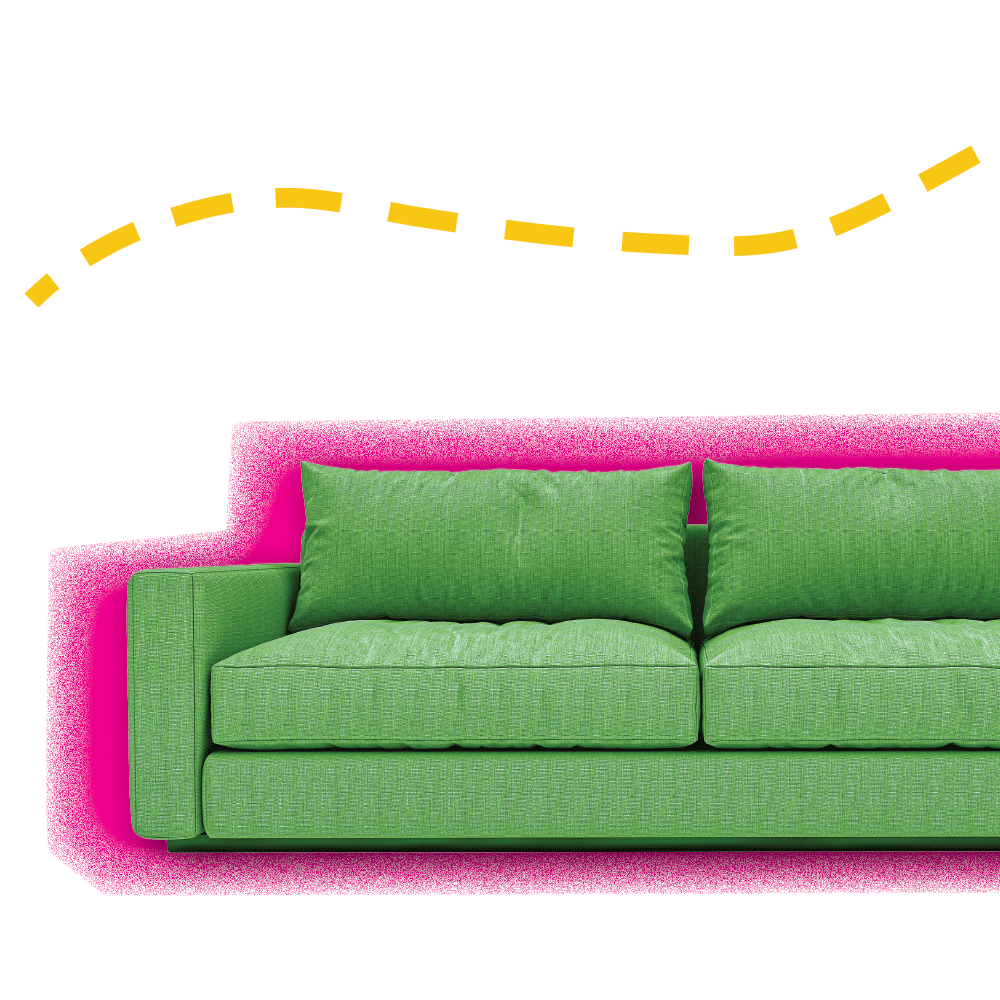
I feel the wheels stop below my feet, snapping me out of my train of endless questions. I peer through the dusty windshield and out onto the sidewalk to see my friend, standing in front of a three-story apartment building and waving at me with a grin stretched wide across his face. Next to him sits the ugliest green couch.
My friend greets me as I step out onto the pavement and sidle up next to him. “Thank you so much for making it,” my friend gushes. “I don’t know how I could ever get this couch up the stairs and into my apartment by myself.”
“With our combined strengths,” I say, heaving one side of the couch and lifting it into the air, “we can get this couch up in no time — it will be as if it magically transported there.” I pause, allowing us to pivot carefully up the steps.
“Think of it this way,” my friend replies, directing me towards the front door of his apartment. “Now we can watch that new episode that airs tonight when we’re finished!”
I look up at him with sweat on my brow and a smile on my face. Cancelling those plans in an act of self-love sounded blissful half an hour ago. It may sound good tomorrow. But tonight? Showing up for my friend who needs me, solidifying our friendship, sounds heavenly.
For Further Reflection
Explore:
- Fighting for our Friendships: The Science and Art of Conflict and Connection in Women’s Relationships by Danielle Bayard Jackson
- Follow Danielle on TikTok @thefriendshipexpert for more advice on how to show up in your friendships.
Feature design by Digital Artist Intern Trelise Bradsher
You May Also Like